

What Is RSO? Rick Simpson Oil Explained
A friendly guide to the cannabis oil everyone's curious about
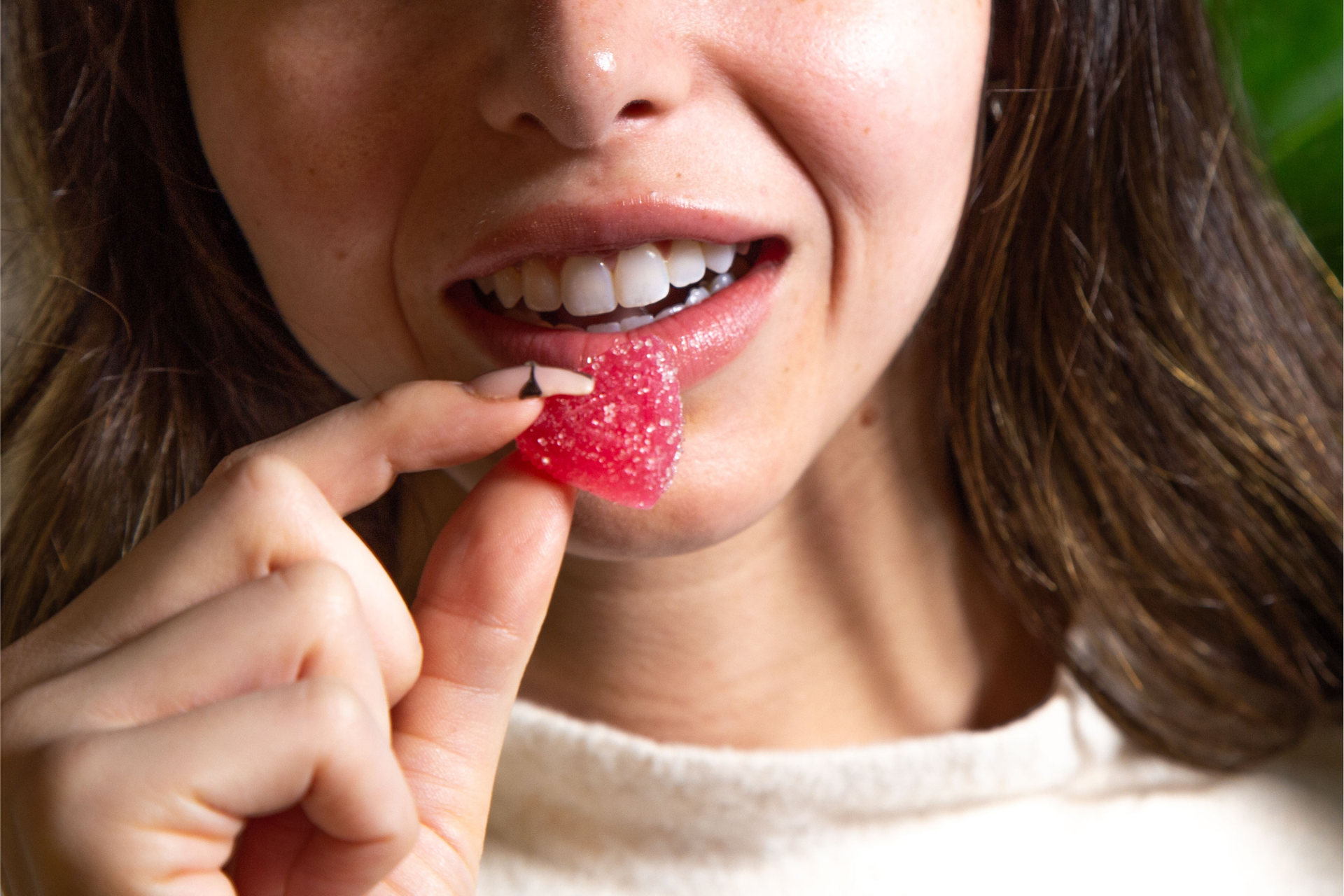
If you've ever scanned a menu and spotted RSO sitting there like the final boss of cannabis concentrates, welcome. You're in the right place. We're going to explain what it is, how it's different from everything else on the shelf, and how to approach it with a healthy dose of respect (and a very small dose of oil).
The Short Answer: What Is RSO?
RSO, short for Rick Simpson oil, is a thick, dark, full-plant cannabis extract that's very high in THC. It's named after Rick Simpson, a Canadian medical cannabis advocate who popularized a homemade version in the early 2000s. It's usually sold in a syringe, it looks a lot like tar, and it's potent. It is not approved by the FDA to treat any medical condition.
Who Is Rick Simpson, and Why Is His Name on the Oil?
Simpson shared his story and his homemade recipe widely, and the name stuck. That story is a personal account, not clinical evidence, which is worth keeping in mind as you read about RSO online. The internet has a lot of confident opinions about it. We'd rather give you the grown-up version.
How Is RSO Different From Other Concentrates?
Here's what sets it apart:
- It's full-spectrum. RSO keeps a wide range of the plant's compounds together, including cannabinoids and terpenes, instead of isolating just one. That's where our minor cannabinoids guide comes in handy.
- It's thick and dark. Think sticky, syrupy, and not exactly elegant.
- It's strong. RSO is typically very high in THC, so a little goes a long way.
- It's not for dabbing. Unlike many concentrates, it's usually taken in tiny amounts, not heated and inhaled.
Want the full rundown on everything from live resin to rosin? Our guide to cannabis extracts has you covered.
How Is RSO Made?
In general, a solvent (often high-proof alcohol) pulls compounds out of the plant, then the solvent is cooked off, leaving a thick oil behind.
No, we're not giving you a recipe. Home extraction with flammable solvents is a real fire hazard, the potency is unpredictable, and it may not be legal where you live. Licensed makers exist so you don't have to turn your kitchen into a chemistry experiment. Buying from a licensed shop also means your product is tested and labeled, which is the whole point.
What Do People Use RSO For?
People report reaching for RSO for things like pain, sleep, appetite, and nausea. Those are personal experiences, not proven results. Research on RSO itself is limited, and it isn't FDA approved for any condition.
You'll also see big claims online about RSO and cancer. We want to be clear: there's no solid evidence in humans that RSO treats or cures cancer. If you or someone you love is facing a serious diagnosis, the best move is to work closely with a medical team and talk with them before adding anything new.
How Do People Take RSO?
There's more than one way to use it, and each one works a little differently:
- Under the tongue (sublingual): Absorbed faster than swallowing.
- Swallowed or mixed into food: Slower to kick in, often 45 minutes to 2 hours, and the effects can last longer.
- On the skin (topical): Used for localized relief, and typically not the route that gets you high. Our topicals guide explains how that works.
The golden rule is start low, go slow. Use far less than you think you need, wait for the full effect before even thinking about more, and ask us for a starting point based on the labeled potency of the product in your hand. Patience is a very underrated cannabis skill.
Why Do People Like RSO in Edibles, Tinctures, and Balms?
RSO isn't just something you take straight from a syringe. It's also commonly found in edibles, capsules, tinctures, and balms, and there are good reasons those forms are popular:
- No smoking or vaping. If you'd rather not inhale anything, an edible or tincture skips the lungs entirely.
- Easier to measure. A gummy, a capsule, or a dropper gives you a set amount, which is a lot simpler than eyeballing a sticky oil. Always check the labeled potency on the package.
- Longer-lasting effects. Swallowed products take longer to kick in, often 45 minutes to 2 hours, but the effects tend to last longer too.
- Tincture speed and flexibility. A tincture is a liquid you take with a dropper, usually under the tongue. People like that it's easy to measure, absorbs faster than something swallowed, and can be added to food or drinks.
- Balms for targeted use. Balms go on the skin, so people like them for focusing on a specific spot. They typically aren't the route that gets you high, and they skip digestion altogether.
- Easier on the taste buds. RSO is bitter and earthy on its own, so a capsule or a gummy is a friendlier experience than a spoonful of tar-like oil.
- Discreet and convenient. There's no smoke, no smell, and no fuss, which makes them easy to take at home or on the go.
Is RSO Right for You?
Here's the honest answer: RSO is not a beginner product. If you're new to cannabis, there are gentler places to start. If you have some experience and you're curious, ask yourself what you actually want from the experience. Then talk it through with our team, who would honestly rather you ask a question than guess.
Ready to Chat About RSO?
Curious about concentrates, potency, or what might fit what you're after? Stop by Rebelle at 591 Albany Street in the South End. We'll happily talk it through, and we promise not to judge your questions (we've heard the good ones).
Aim higher.
Shop RSO
View AllMore From Rebelle